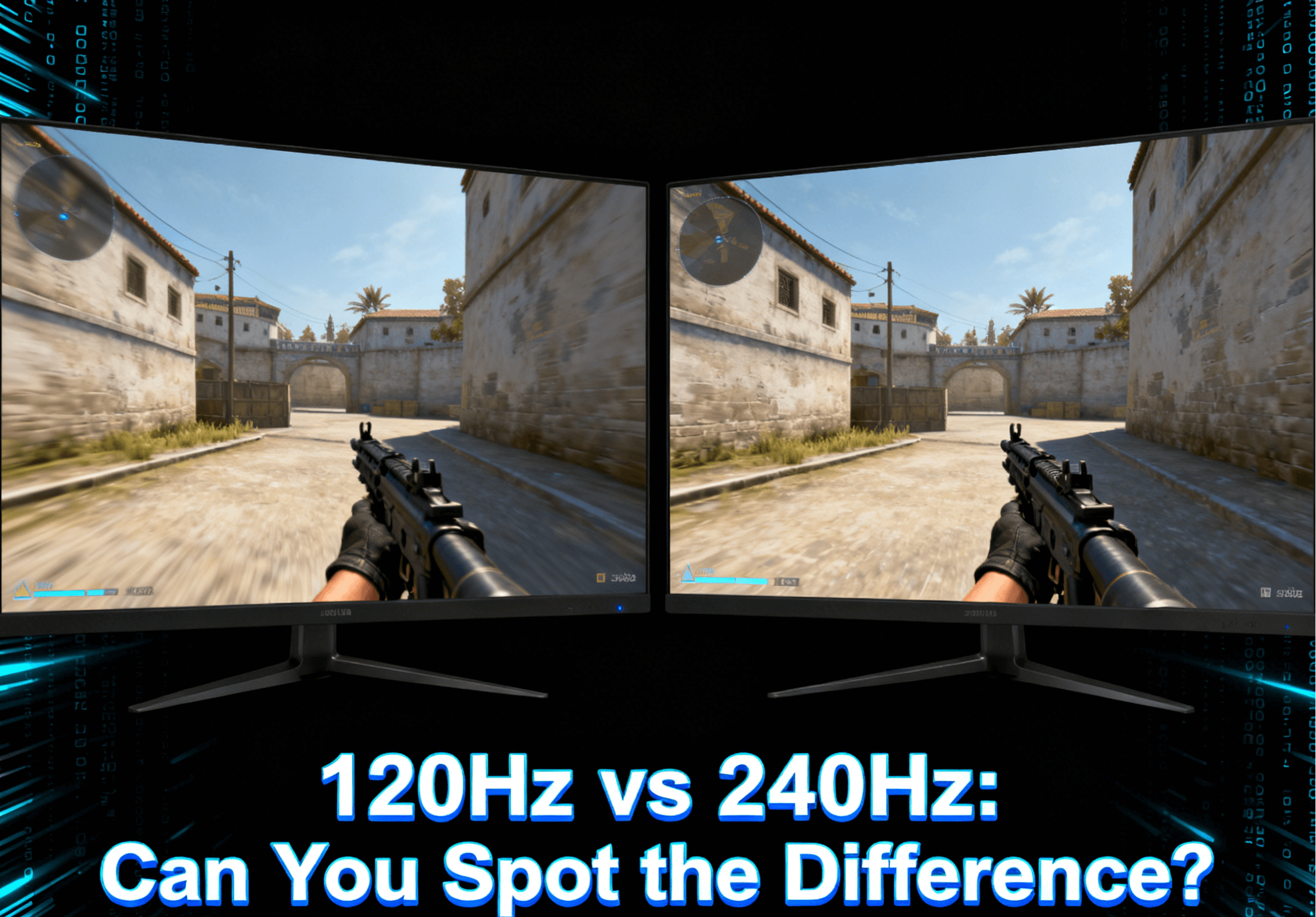
When I clicked the handle button in the apartment in Toronto, and the character on the screen reluctantly jumped up after half a second, I suddenly understood what it means to “the end of the world is like a neighbor, and the delay is like a mountain apart”. This spring, we invited players all over the world to conduct an unprecedented cloud game delay test.
The test method is simple but very realistic. We chose _Fortnite_, a delay-sensitive game, so that players from Toronto, London, Singapore and Sydney can connect to cloud servers in Ohio, the United States, at the same time. The result is eye-opening.
Mark from Toronto is the luckiest. His operation delay is stable at about 35 milliseconds. In his words, “It’s like playing games locally, and I don’t feel like I’m playing cloud games at all.” And Lisa, who is far away in Sydney, is suffering. She pressed the jump button to the actual action of the character, which took a delay of nearly 200 milliseconds. “It feels like having a video call with someone. After you finish talking, you have to wait for the other person’s reaction,” she complained helplessly. “Playing shooting games is simply looking for abuse.”
Interestingly, the geographical location is not the only factor. Blake of Singapore found that even if the distance was further, his delay was much better than that of Sydney. It turns out that his company’s gigabit optical fiber has made great contributions. This makes us realize that cloud games are like a relay race. The server location is only the first, and the quality of your network is the last.
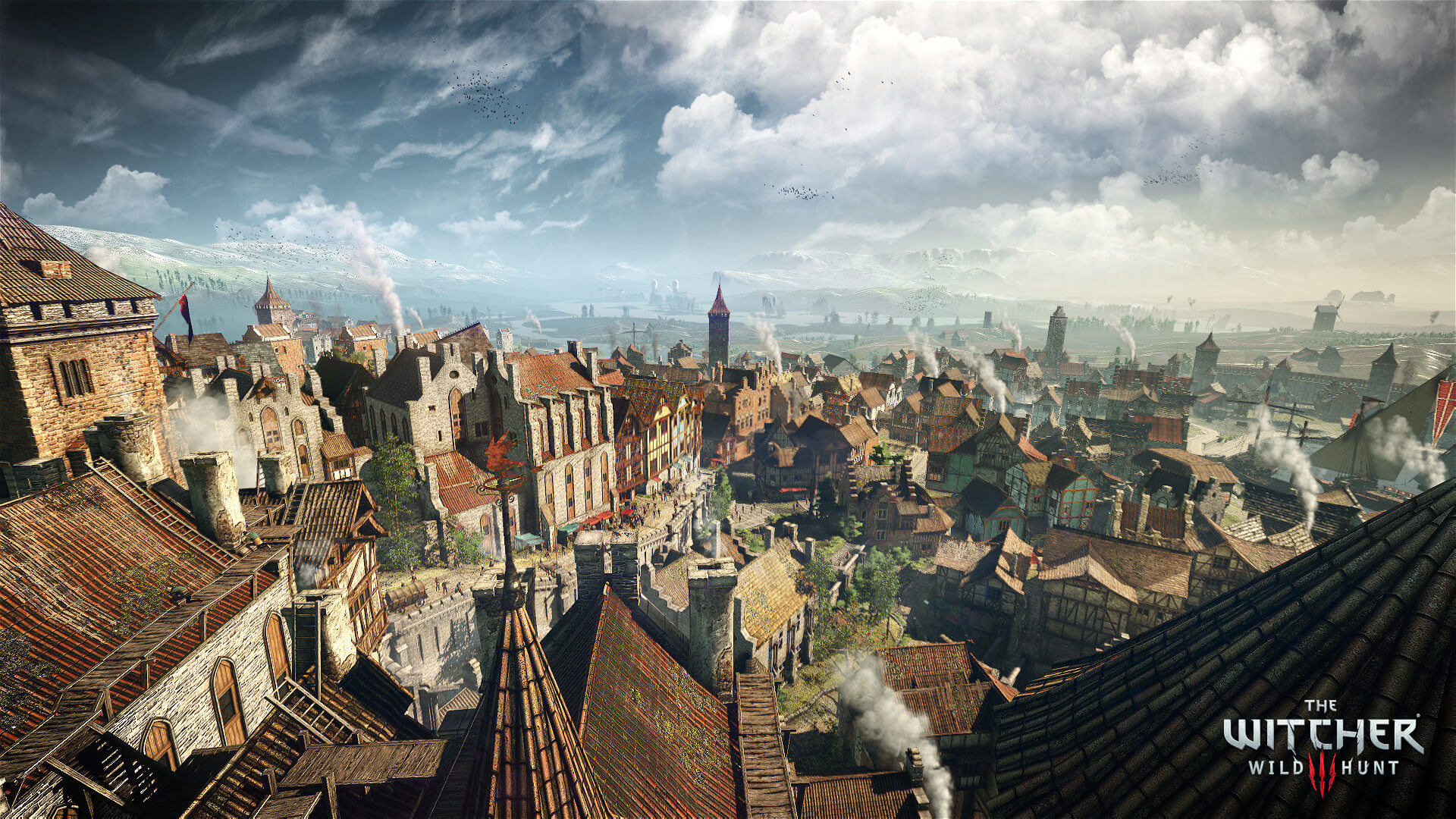
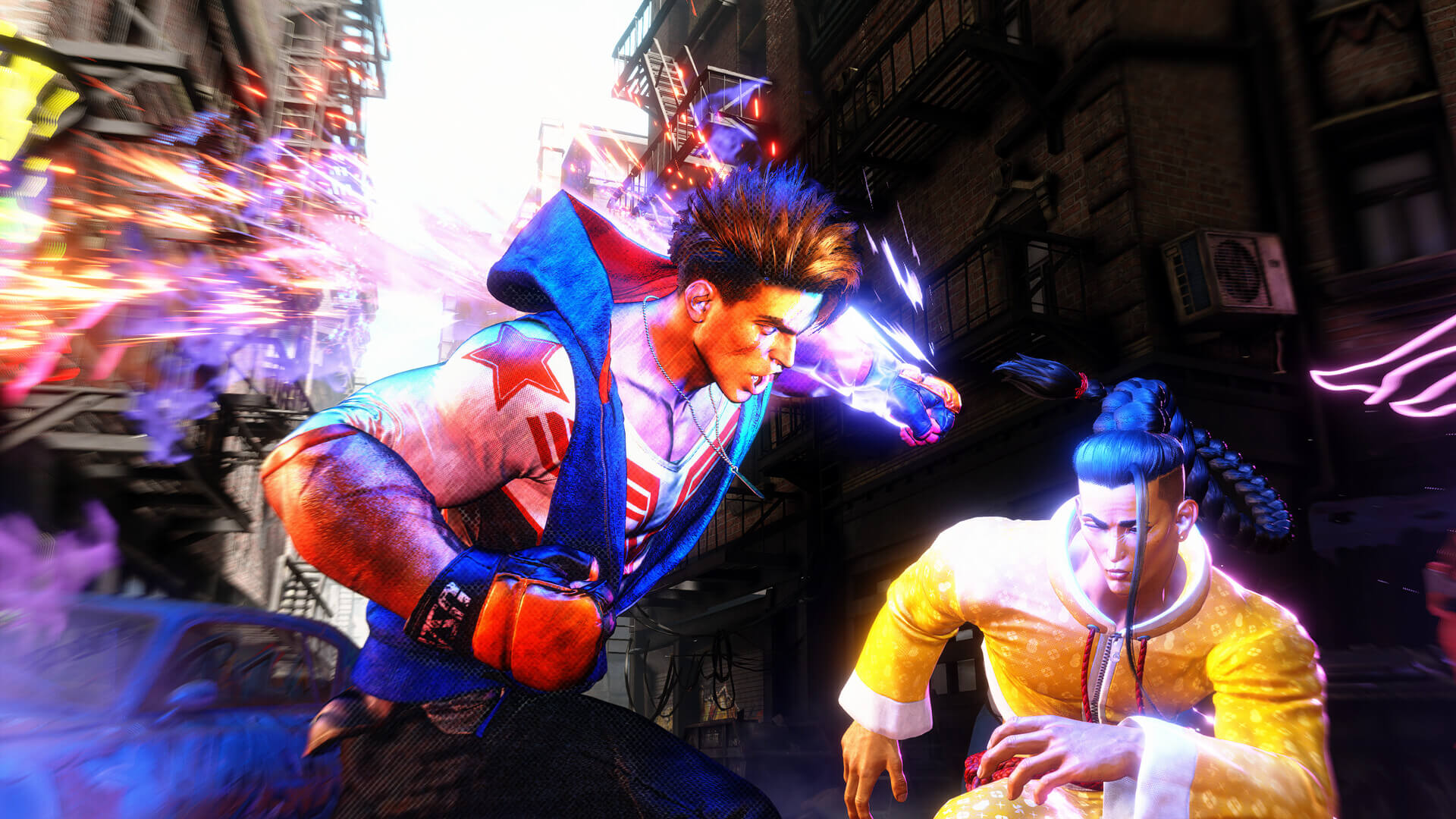
The most surprising thing in the actual test is the performance of different game types. In RPG games like _The Witcher 3_, the delay of 100 milliseconds is almost insensitive; but in a fighting game like Street Fighter 6, the gap of 50 milliseconds can decide victory or defeat. Just like cooking, stews are not so precise about the heat, but stir-fried vegetables may ruin the whole dish in a second.
There is a discovery that is particularly worth sharing. During the test, we tried to connect to the server at different times. At the prime time of 8 p.m., the delay of Sydney players will suddenly soar, while Toronto players at 3 a.m. can enjoy the smoothest experience. It’s like driving. Choosing the right time is more important than choosing the right route.
After a month of testing, we drew a cloud game experience map. The west coast of North America is in the paradise mode, most of Europe is in the comfort zone, some parts of Asia are doing well, while the southern hemisphere is like playing in the difficult mode. However, this situation is changing, and more and more cloud service providers are setting up servers in the southern hemisphere.
To be honest, the current cloud games have made much progress compared with three years ago. In those years, 200 milliseconds was normal, but now more than 150 milliseconds will make people crazy. One player said something particularly vivid: “In the past, cloud games were like watching the scenery through frosted glass, but now they are just separated by a layer of clean glass.”
If you are going to try cloud games, you might as well ask yourself first: what kind of games do you mainly play? How is the network infrastructure in your area? How much delay can you accept? Just like choosing transportation, some people need to take the high-speed rail, and some people can ride a shared bicycle to reach their destination.
How is your cloud game experience? Have you ever been tortured by the delay in the middle of the night? Welcome to share your story in the comment section, and maybe you can find a partner who has the same disease.