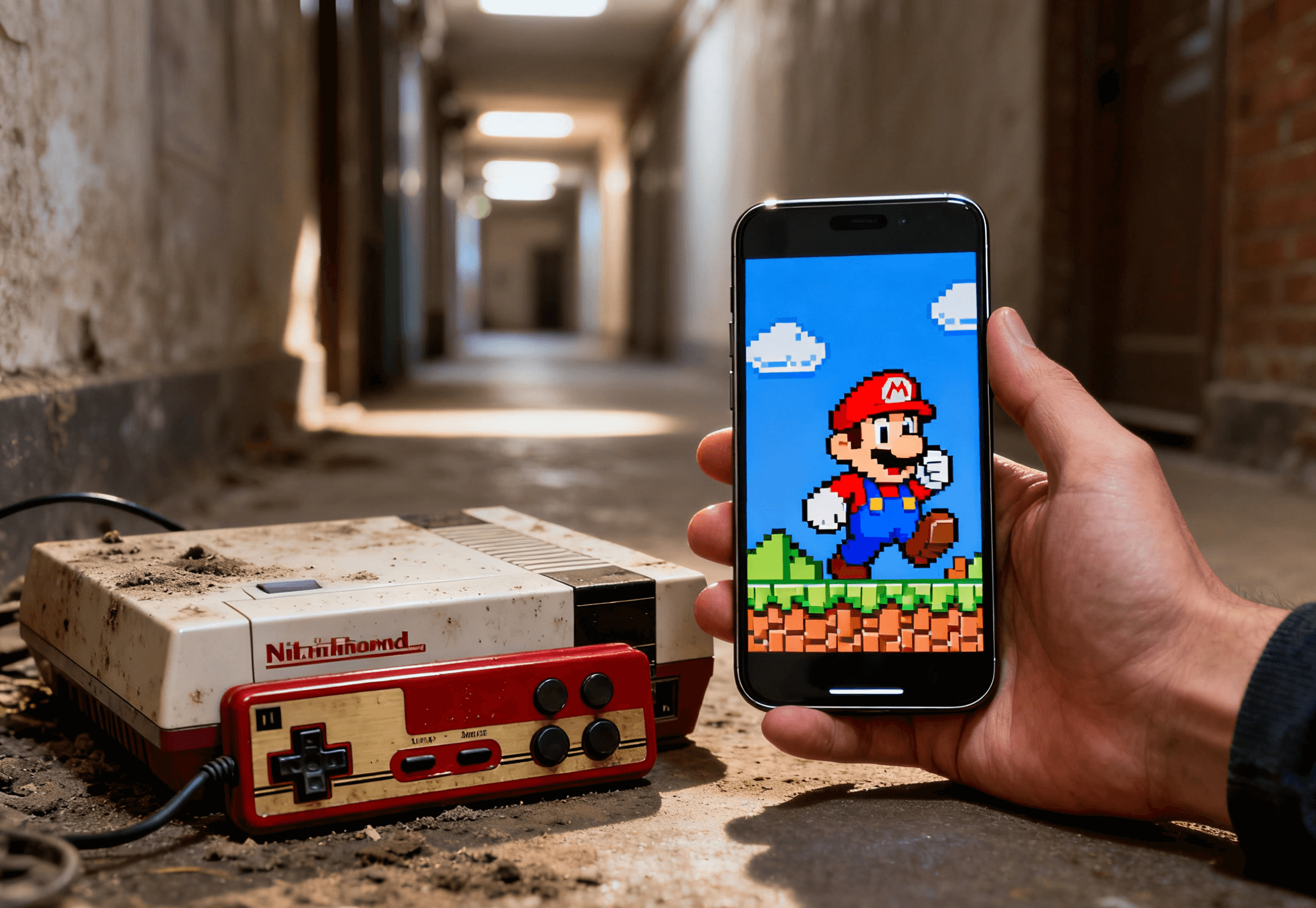
The moment you took out the dusty Nintendo 64 from the storage room and connected it to the modern TV, disappointment surged into your heart — the picture was as blurred as a layer of frosted glass. This is not a failure of the equipment, but an ongoing digital memory crisis. Games from thirty years ago are disappearing from our lives at an alarming speed.
The game saver is like an archaeologist in the digital world. Their work begins with looking for the original code, which is like looking for a thirty-year-old diary in an abandoned warehouse. The source code found is often stored on outdated tapes or floppy disks. It takes special equipment to read them, just like opening a rusty lock and finding the corresponding key.
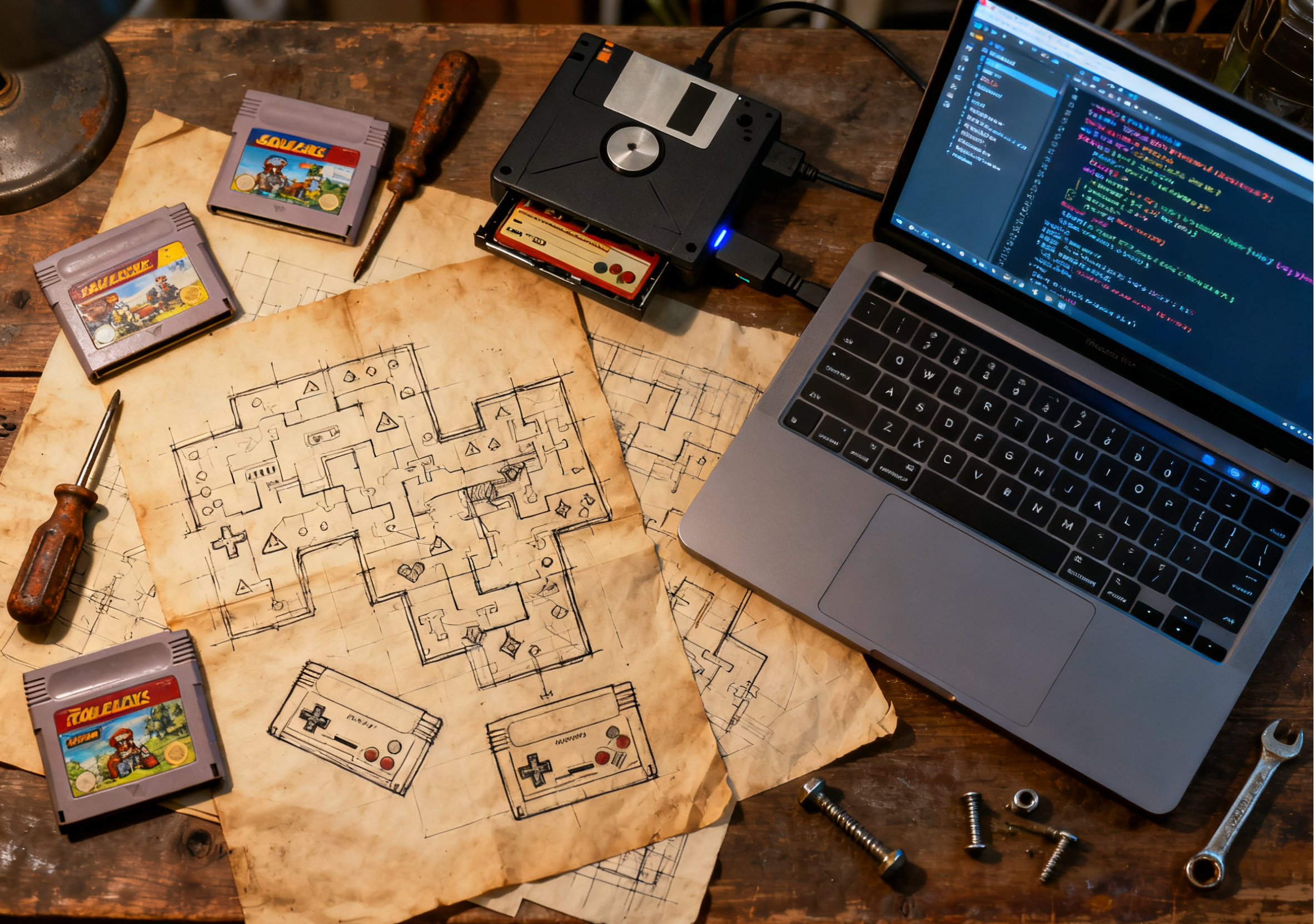
Code is just the first step. Running these games on a modern system is like teaching an old folk song to play on a smart speaker. Volunteers need to rewrite the graphic interface, adjust the audio output, and even write simulators for processors that have long ceased to exist. A restorer gave a vivid analogy: “It’s like trying to play a moldy tape, not only to remove the noise, but also to retain the original charm.”
The most touching thing is the power of the community. When the source code of a game is lost, volunteers will rely on collective memory to rebuild it little by little. Some people remember the details of the level design, some people save the strategy book of that year, and some people can recite the location of all the hidden elements. It’s like putting together a torn novel, relying on the common memories of countless readers.
Legal issues are often the biggest obstacle. The copyright ownership of many classic games has become a mess. The original company may have gone bankrupt, and the rights are scattered in the hands of multiple heirs. A legal expert described: “It’s like applying for a property title certificate for a 30-year-old house, and the builders at that time have long been missing.”
The progress of technology has unexpectedly helped a lot. Artificial intelligence can now automatically fix map errors in old games, and machine learning algorithms can infer damaged code paragraphs. A team used AI to repair a 1988 text adventure game, making the blurred pixel picture clear, just like coloring old photos.
Physical preservation is equally important. In game museums around the world, volunteers maintain old-fashioned game consoles like maintaining antique cars. They have to deal with the natural laws of capacitor aging and chip decay. An administrator said, “Every time I hear an old red and white machine turn on again, it’s like hearing the good news that an endangered species has been saved.”
The real meaning of this campaign is not only to save code and data. Just like we keep ancient books not only for paper, but for the ideas and stories in them. Thirty years ago, _Super Mario_ was not only a string of codes, but also a childhood memory of countless people; Twenty years ago, Final Fantasy 7 was not only a game, but also a milestone in role-playing games.
Do you still have an old game in your hard disk? Or have you ever succeeded in rebirthing a classic game on modern devices? Welcome to share your experience in the comment section. Every saved game is our common cultural heritage.